Recommended Books and Parenting Resources
These are some of the books I regularly share with families in my practice. I've chosen them because they offer compassionate perspectives, practical strategies, and helpful ways to better understand and support children and teens. I hope you'll find something here that resonates with your family.
Parenting and Child Development

The Explosive Child
One of my favorite resources for understanding children who struggle with flexibility, frustration, and emotional regulation. Ross Greene's compassionate, collaborative approach shifts the focus from managing behavior to understanding what's getting in a child's way and working together to solve problems.

Your Child's Point Of View
I love how this book encourages parents to look beyond their child's behavior and consider what might be happening from the child's perspective. Through relatable everyday situations, Kelsie Olds helps parents better understand the needs and feelings behind challenging behaviors and offers practical suggestions for responding with empathy and connection. It's a wonderful resource for shifting how we understand and respond to children.
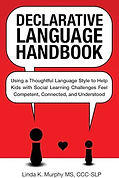
Declarative Language Handbook
I love this book for its simple, practical approach to communicating with children in ways that encourage cooperation, flexibility, and independence. It provides lots of real-life examples of how to make small changes in everyday language, such as replacing directions and questions with observations and comments that invite children to think and problem-solve for themselves. I especially recommend it for parents of children who struggle with rigidity, anxiety, or feeling pressured by demands.

The Emotional Lives of Teenagers
I highly recommend this book for parents navigating the often confusing emotional world of teenagers. Lisa Damour helps parents make sense of the emotional ups and downs of adolescence, offering a reassuring perspective on what's typical, when to be concerned, and how to support teens while giving them room to grow. I especially appreciate her message that parents don't need to have all the answers or make every uncomfortable feeling go away. Sometimes, being a steady, supportive presence is exactly what teens need.
Big Feelings and Emotional Regulation

My Body Sends A Signal
I really like this book for helping children recognize how their feelings show up in their bodies. Through relatable examples and colorful illustrations, it teaches kids to notice physical clues to their emotions and better understand what those signals mean. It's a great way to build emotional awareness and help children recognize their feelings before they become overwhelming.

I Want A Popsicle
I love using this book with young children who have a hard time hearing “no” or accepting that they can't always have what they want. It's a great way to start conversations about disappointment, frustration, and handling big feelings. I especially like how it helps children understand that it's okay to feel upset, and that they can learn to handle those feelings even when things don't go their way.

I Am A Spicy Nugget
I love this playful, relatable book for helping young children understand and embrace their big feelings. With humor and warmth, it helps children recognize that having strong emotions is part of being human and that they can learn ways to navigate those feelings while still being themselves.

The Boy With Big, Big Feelings
A beautiful book for children who experience emotions deeply and sometimes feel overwhelmed by them. I especially appreciate its message that being sensitive and having big feelings isn't something to be ashamed of. It's a lovely way to help children feel understood, accepted, and proud of who they are.
Anxiety, Worries and OCD

Breaking Free of Child Anxiety and OCD
One of my go-to recommendations for parents of children struggling with anxiety or OCD. Based on the SPACE approach, this book helps parents understand how to support their children in facing fears, building confidence, and becoming more independent by changing their own responses to anxiety.


The Opposite of Worry
I love this book's playful, connection-based approach to helping children manage worries and fears. It offers practical ideas for using play, empathy, and a strong parent-child relationship to help children feel more secure and confident.

What To Do When You Worry Too Much
I really like this book for helping children understand how worry works and what they can do when it starts to take over. I've found it especially helpful for teaching kids how worries can grow when we give them too much attention, and how they can learn to respond differently. It's a great book to work through together, with concrete strategies that help children feel more confident facing their fears.

Anxious Kids, Anxious Parents
This is a wonderful resource for parents who want to help their children become more comfortable with uncertainty rather than trying to eliminate every worry. I particularly appreciate its emphasis on changing how families respond to anxiety and helping children develop the confidence to handle uncomfortable feelings.

Hey Warrior
I love this book for helping children understand why they sometimes feel worried or scared, even when they're safe. It explains what happens in their brains and bodies when they feel nervous, and why those feelings can be so strong. I especially like how it helps kids see that there's nothing wrong with feeling worried and that they can learn to be brave even when those feelings show up.
Friendships, Social Skills, and Problem Solving
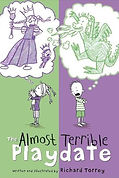
The Almost Terrible Playdate
I love this book for helping children understand that playing together means being flexible and making room for other people's ideas. Through a funny and relatable story about two children who have very different ideas about how their playdate should go, it opens up great conversations about compromise, perspective-taking, and finding ways to have fun together even when things don't go exactly as planned.

What Should Danny Do?
I love this interactive book for helping children understand how their choices can influence what happens next. Kids get to decide what Danny should do in different situations and see how each choice leads to a different outcome. It's a fun and engaging way to explore problem-solving, impulse control, and making thoughtful decisions. This is part of a wonderful series, with other books that use the same choose-your-own-adventure format to help children practice making positive choices.

Sometimes You Win, Sometimes You Learn
I really like this book for helping children understand that losing, making mistakes, and facing disappointments are a natural part of learning and growing. It's especially helpful for kids who have a hard time losing games or get frustrated when things don't go their way. The book encourages children to focus on having fun, learning from challenges, and enjoying playing with others, even when they don't win.
Separation and Transitions

The Invisible String
One of my favorite books for helping young children feel connected to the people they love, even when they're apart. The idea of an invisible string connecting us to loved ones offers a comforting, concrete way to talk about separation, connection, and the reassurance that relationships remain strong even when we're not together.

The Kissing Hand
A sweet, reassuring story that can be especially helpful for children who have a hard time separating from their parents at school or during other transitions. I like how it introduces a simple ritual that families can use to help children carry a sense of connection and comfort with them as they practice being apart.

Llama Llama Misses Mama
A sweet, relatable story for young children who have a hard time saying goodbye at school or daycare. I especially like how it shows that children can miss their parents and still discover that they can feel comfortable, have fun, and manage being apart. It's a wonderful way to build confidence around separation.